Overview
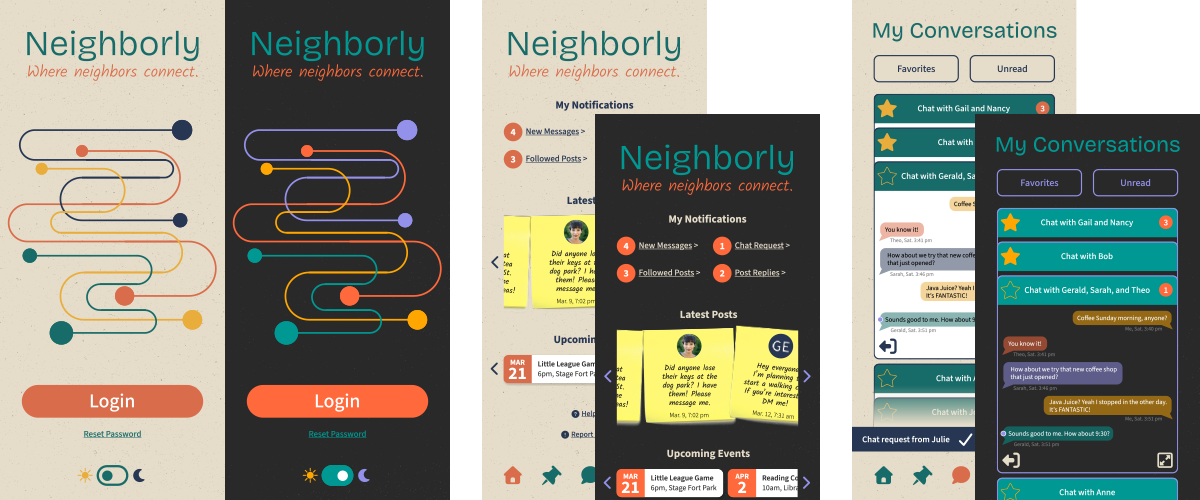
Neighborly is a mobile app concept designed to help people connect with others in their local community through conversations, neighborhood posts, and shared interests. The experience provides simple ways to discover what’s happening nearby, connect with neighbors, and participate in community discussions.
The interface combines a friendly, approachable visual identity with clear navigation and a flexible design system supporting both light and dark themes. The goal was to create a welcoming digital space that makes local connection feel easy, personal, and engaging.
Theme Systems
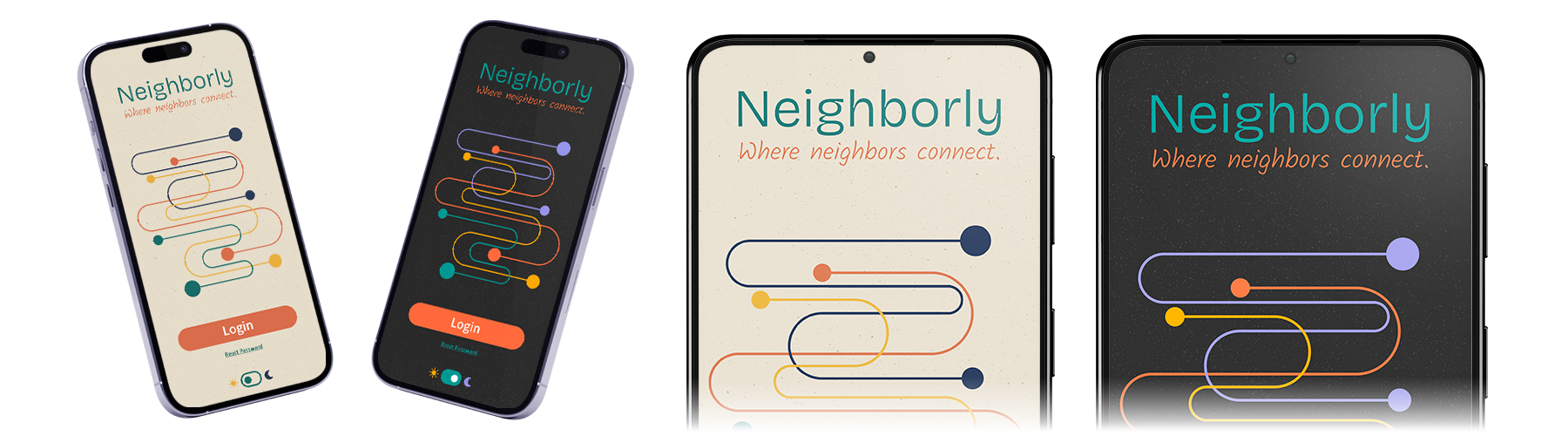
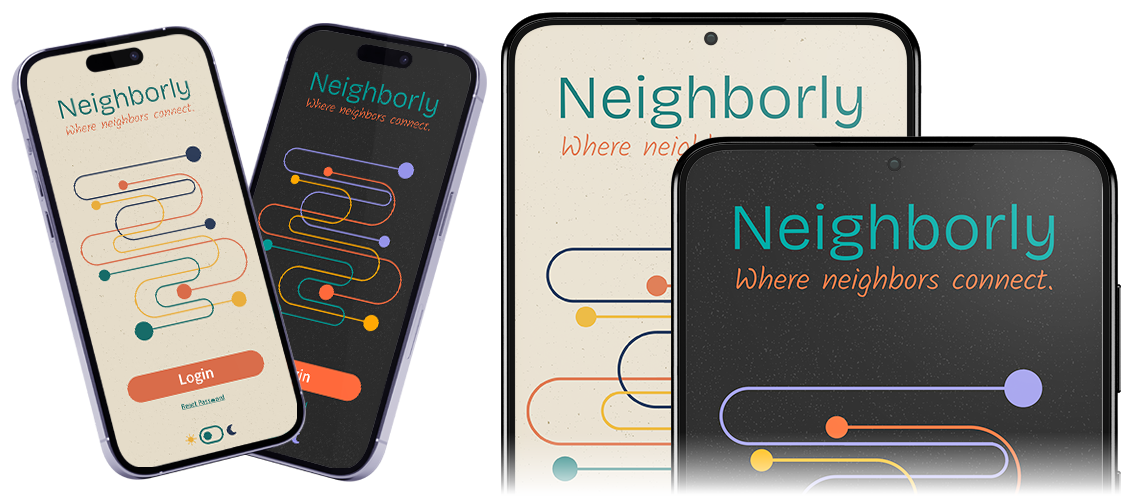
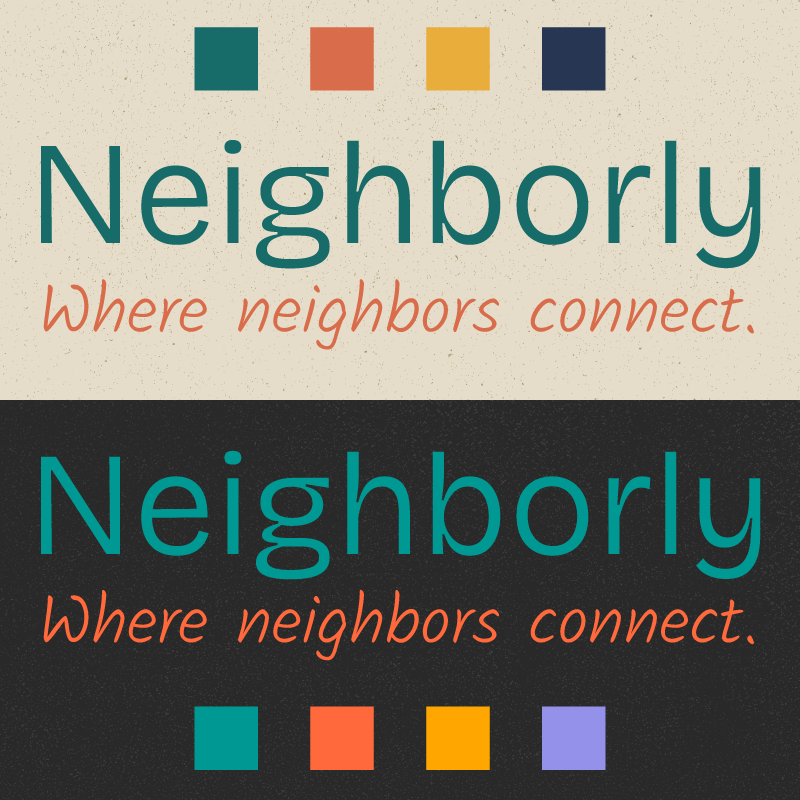
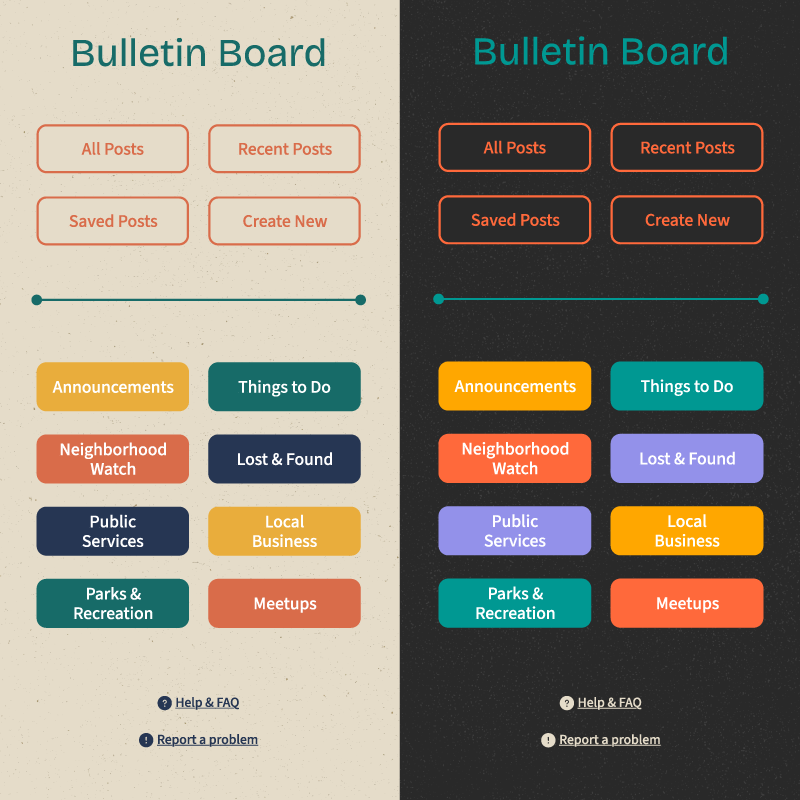
Neighborly was designed with coordinated light and dark themes that maintain a consistent identity while adapting color, contrast, and emphasis for each mode. Each theme also uses its own subtle background texture, reinforcing the difference in atmosphere while preserving the same overall visual language.
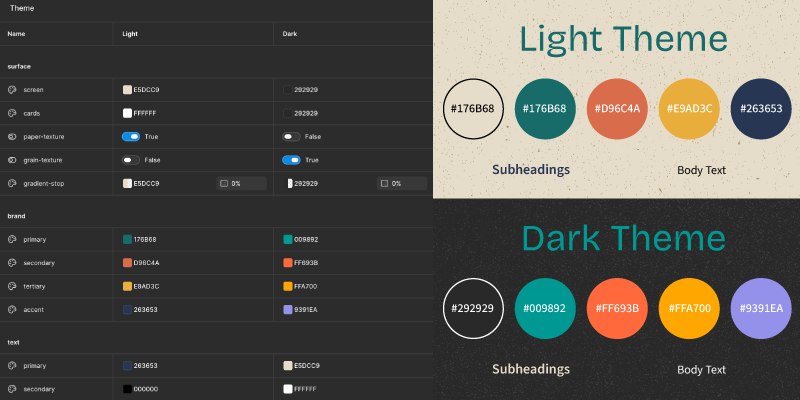
I built the theme system in Figma using variables to control color and texture visibility across the interface. Switching modes updates these properties throughout connected components and screens, allowing both themes to be maintained within a single scalable design system rather than as separate designs.
Theme Systems
Neighborly was designed with coordinated light and dark themes that maintain a consistent identity while adapting color, contrast, and emphasis for each mode. Each theme also uses its own subtle background texture, reinforcing the difference in atmosphere while preserving the same overall visual language.
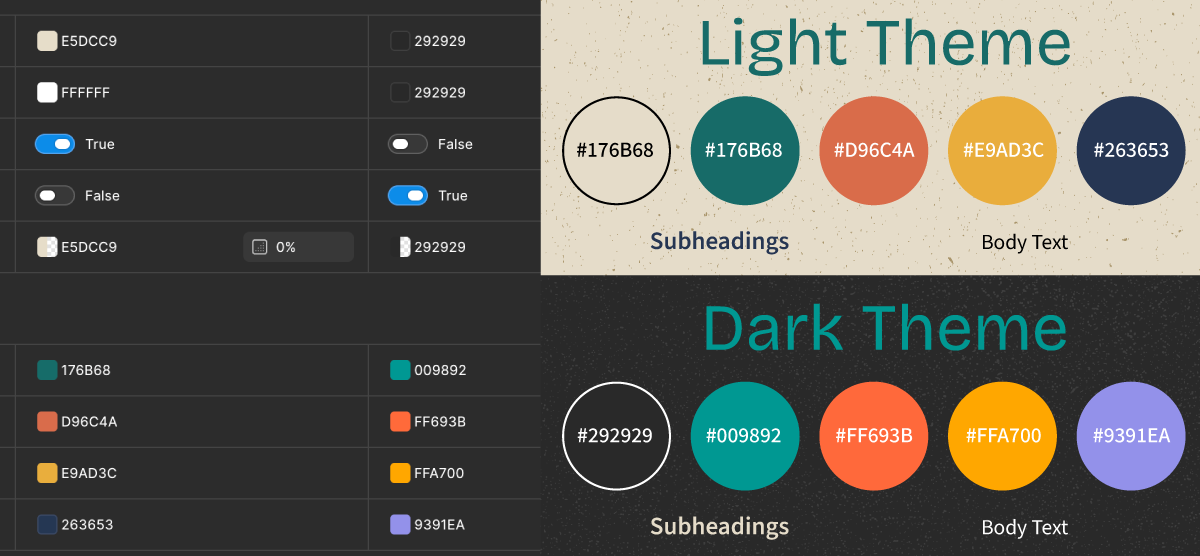
I built the theme system in Figma using variables to control color and texture visibility across the interface. Switching modes updates these properties throughout connected components and screens, allowing both themes to be maintained within a single scalable design system rather than as separate designs.
Structure & Wireframing
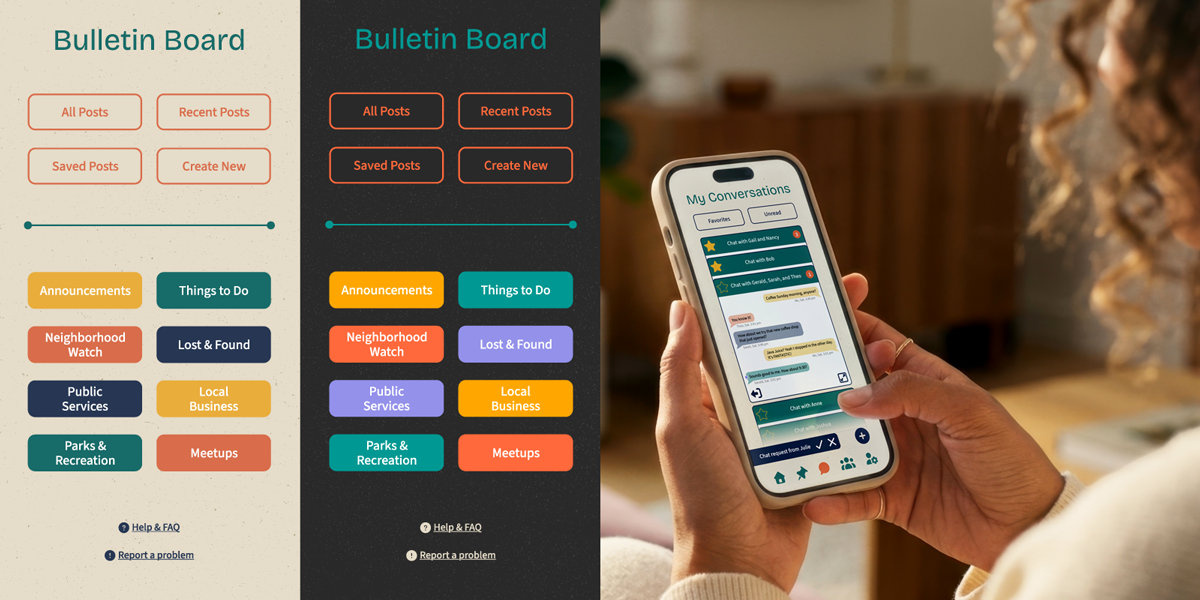
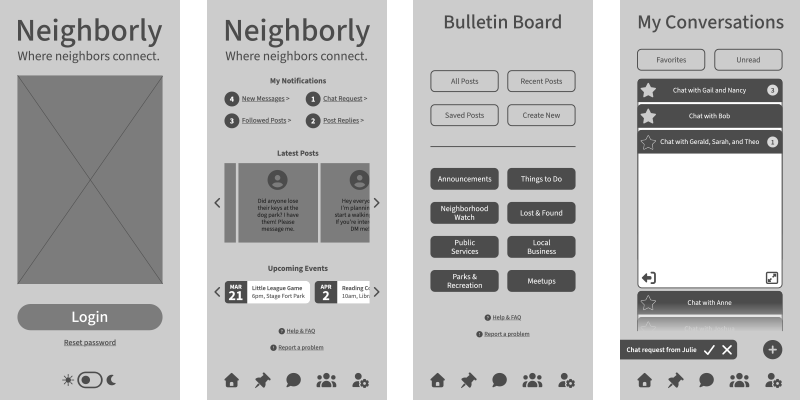
I began by defining the app’s core structure and organizing its primary features around a simple navigation system. Key areas—including the home dashboard, Bulletin Board, conversations, and neighbor connections—were separated into clear destinations so users could quickly understand where to find information and interact with their community.
Low-fidelity wireframes established the content hierarchy, navigation patterns, and relationships between screens before visual styling was introduced. This provided a consistent structural foundation for developing the finished interface and its reusable components.
Structure & Wireframing
I began by defining the app’s core structure and organizing its primary features around a simple navigation system. Key areas—including the home dashboard, Bulletin Board, conversations, and neighbor connections—were separated into clear destinations so users could quickly understand where to find information and interact with their community.
Low-fidelity wireframes established the content hierarchy, navigation patterns, and relationships between screens before visual styling was introduced. This provided a consistent structural foundation for developing the finished interface and its reusable components.
Solution
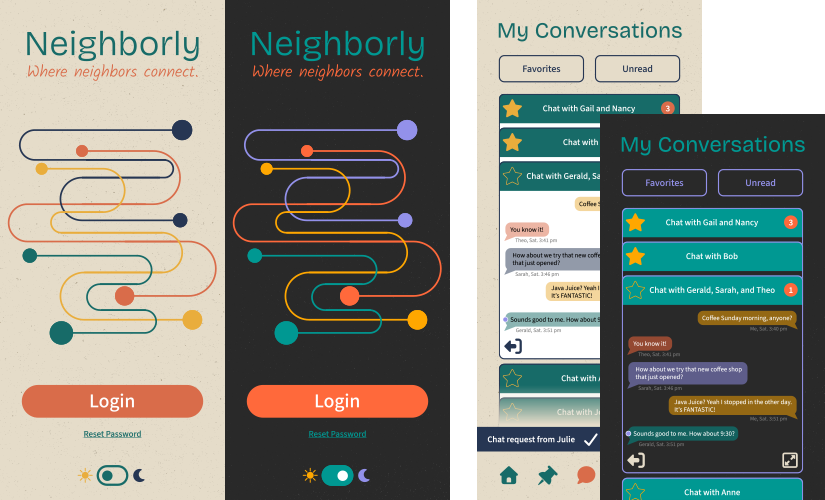
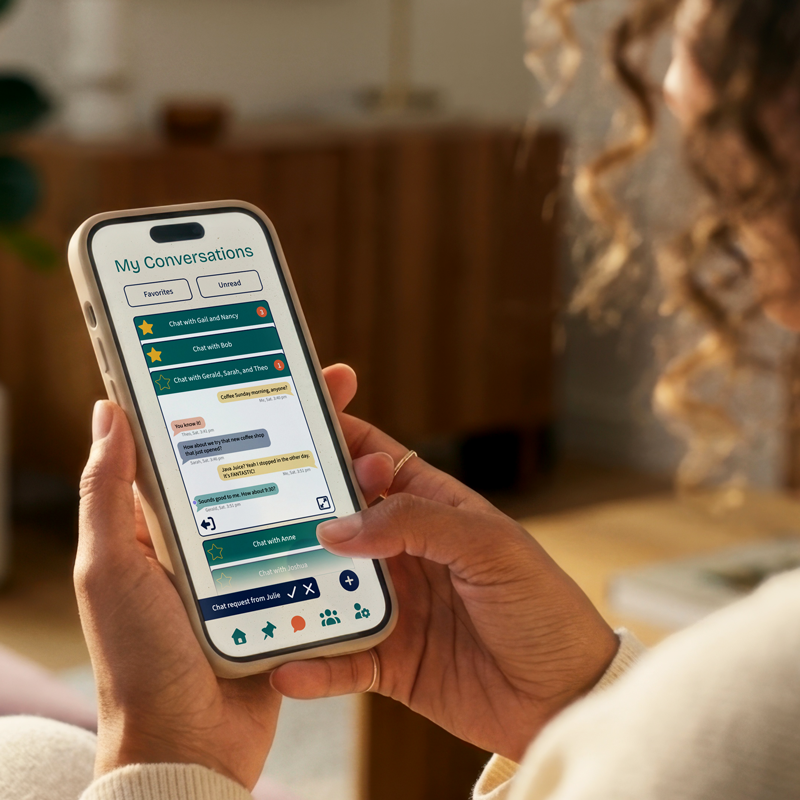
The final concept brings Neighborly’s core features together in a cohesive mobile experience built around local connection and community participation. A friendly visual identity, purpose-driven Bulletin Board, streamlined conversations, and neighbor connections give users clear ways to engage without overwhelming the interface.
Reusable components and the coordinated theme system create consistency across the experience while allowing the interface to adapt between light and dark modes. The result is a flexible product system that balances personality with clear hierarchy, intuitive navigation, and room for future expansion.